The year of ESA origins would not be complete without a look back at one of the foundational European space programmes. Today we do just that, with the 1960s sounding rocket campaigns of ESA’s forerunner ESRO, one of its first activities and one which will take us on a journey that spans the continent from north to south...
Scientific beginnings (pioneers and payloads)
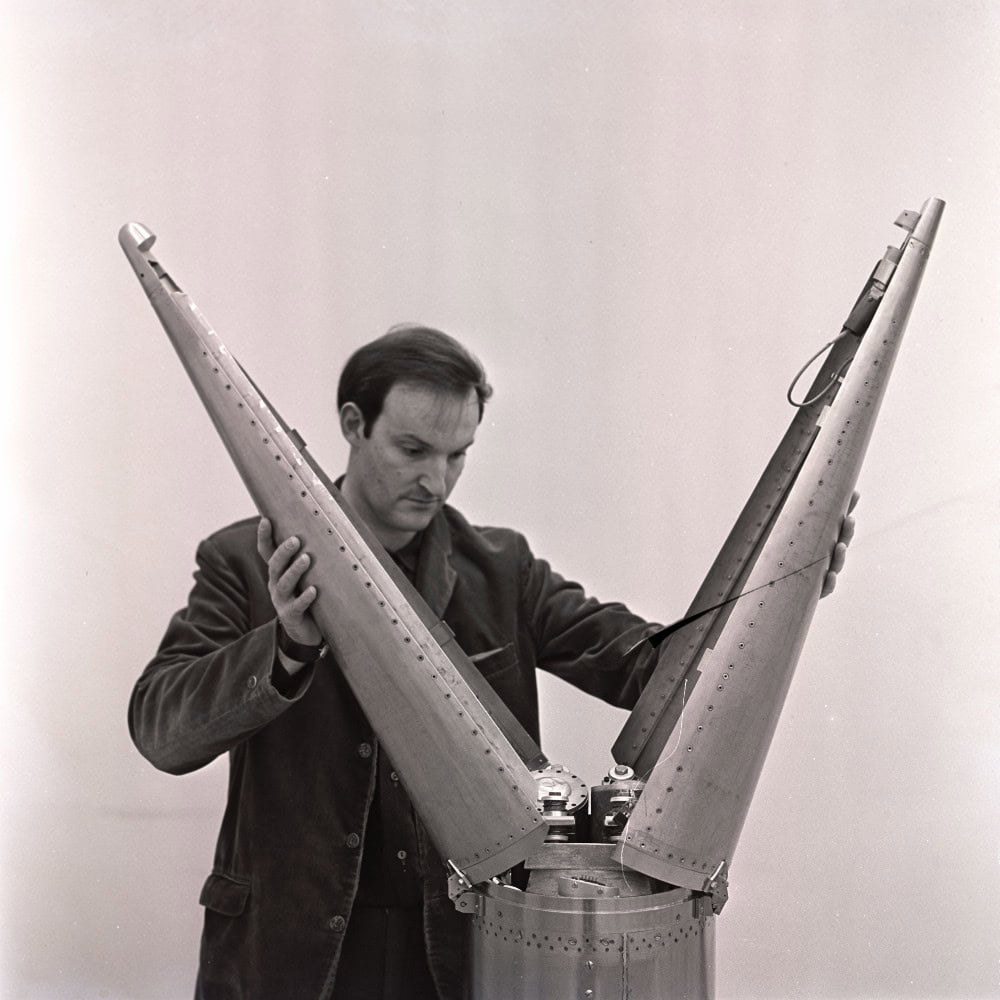
Sounding rockets are suborbital vehicles that launch experiments to the edge of space – the upper atmosphere –before falling back to Earth. Sounding rocket flights typically last about 15 to 20 minutes and are particularly used for atmospheric research that cannot be carried out by balloons (at less than 40km altitude) or low-Earth-orbit satellites that operate at over 200km.
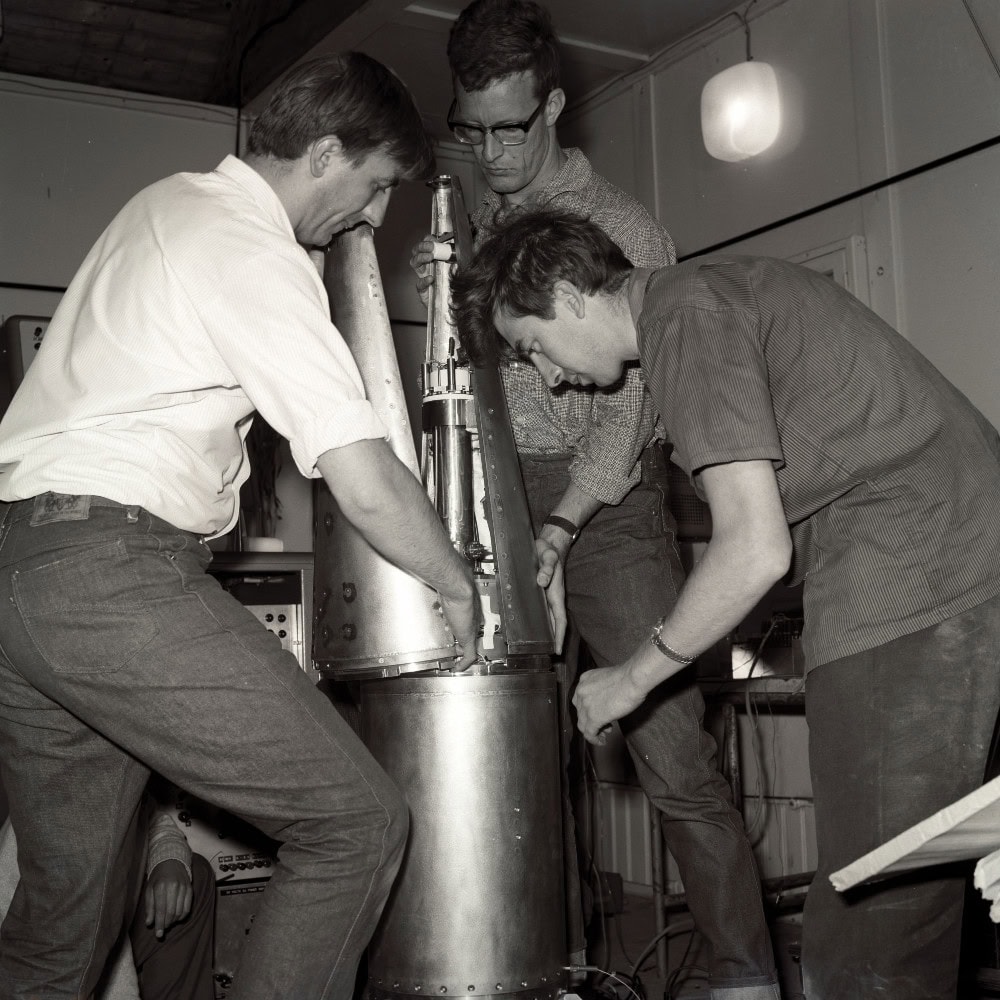
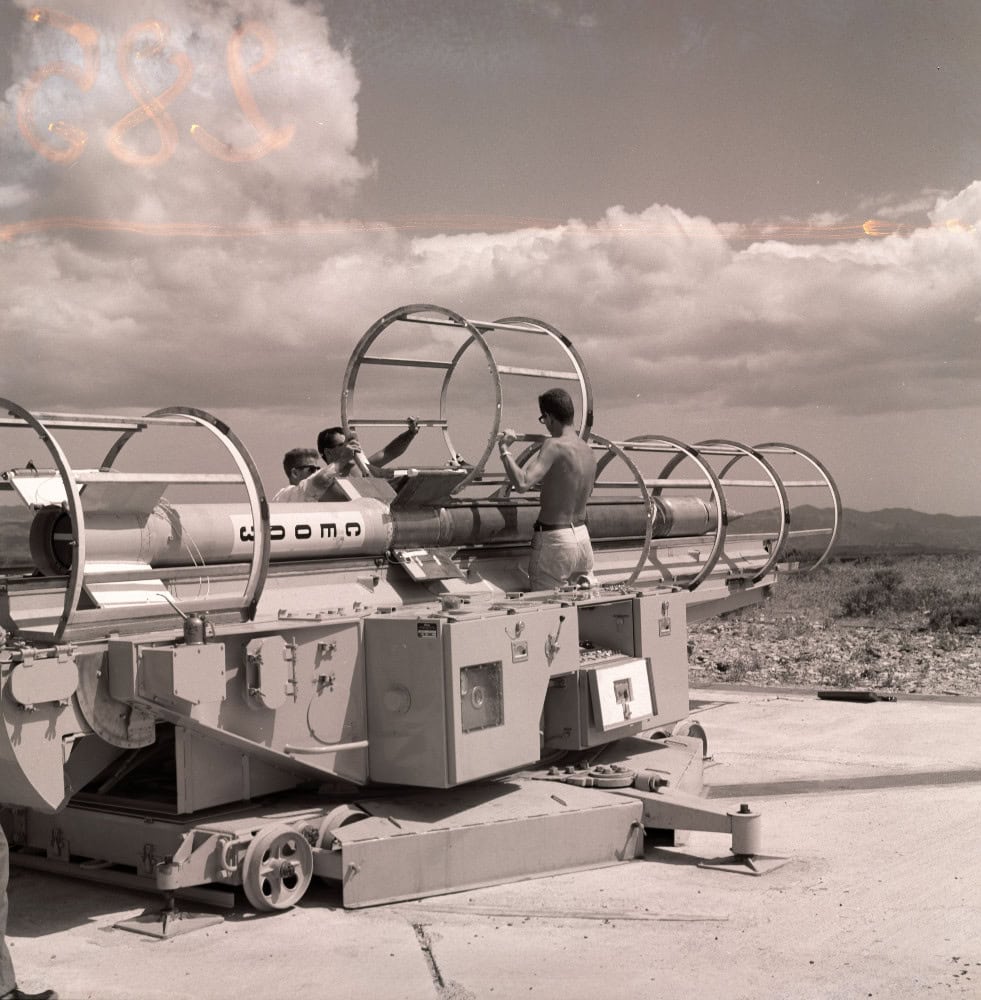
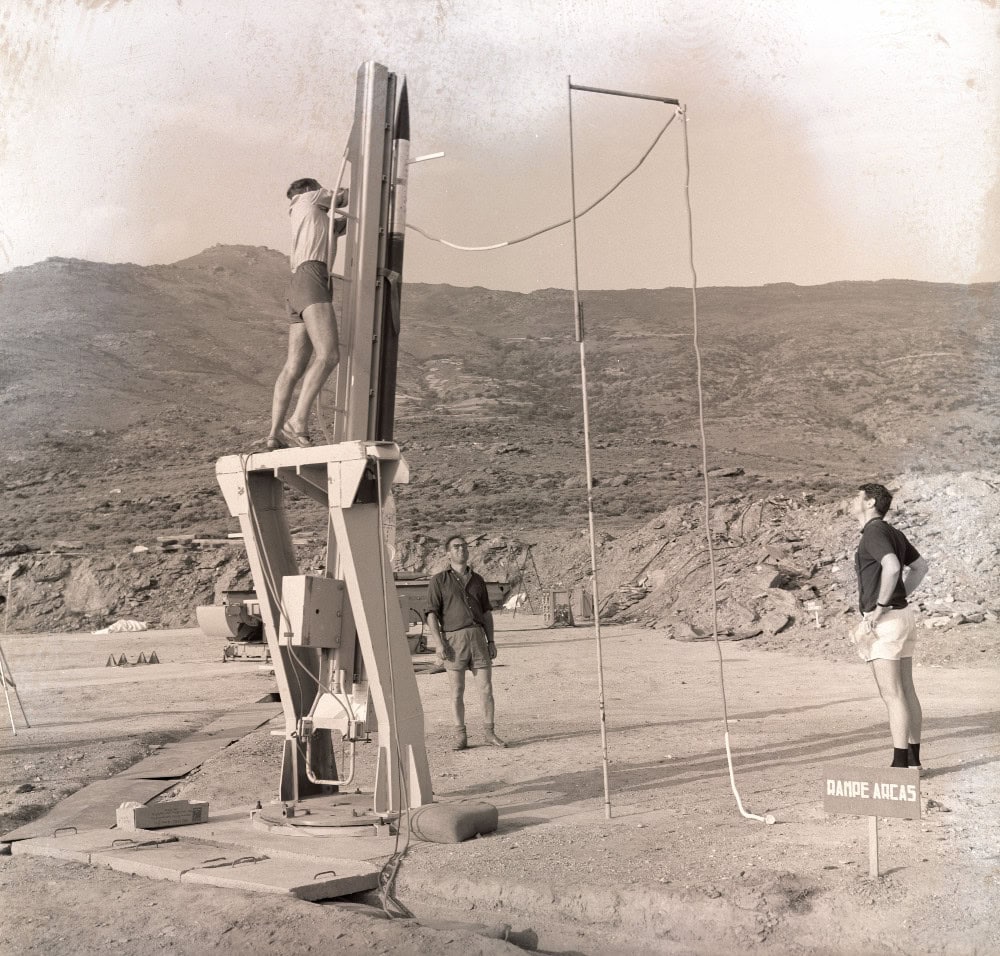
The European Space Research Organisation’s sounding rocket programme was one of the two pillars of the scientific programme for its first eight years, outlined in the Blue Book (the other was the satellite programme). It operated from 1964 until 1972, with the first launch campaign taking place from the Italian range in Salto di Quirra in Sardinia in June and July 1964, just months after ESRO formally came into being with the entry into force of its Convention in March. The second quickly followed, in October 1964, from a base on the Île du Levant in the south of France, setting the scene for a total of 183 or 184 launches (sources differ!) until 1972. In all, eight different types of rockets were used, most commonly the British Skylark and French Centaure.
The speed with which the programme became operational was linked to two advantages that sounding rockets had over satellites, listed in the ESA History Study Report on The History of Sounding Rockets and their Contribution to European Space Research by Günther Seibert: their short payload development and integration times, and the associated lower project costs. As such, sounding rockets also acted as an important test bed at the very beginning of European endeavours in space. Seibert notes their role as an education tool for learning how to build scientific equipment that could survive the harsh launch environment. And more widely, they were an opportunity to test ideas, scientific theories, experiments and instruments prior to their eventual use on satellites. This technology transfer allowed the satellite programme to harness the knowledge gained for ESRO’s first generation of satellites, which often had common or complementary research objectives.
Seibert goes on to outline the enormous amount of technical progress that was made over the short period of the sounding rocket programme, in terms of both complexity of payloads and systems, and launch success rates. The latter made a significant improvement from around 50% in the mid-1960s to 93% in 1972. And this also demonstrates a connection between the ESRO Scientific Programme and European launcher development. Taking into account that the first sounding rocket campaigns were happening during the same months that ESRO’s counterpart ELDO was conducting the first test flights of its Europa launcher, could they perhaps be considered proto-European launchers?
The importance of the programme can perhaps be summarised in two further ‘firsts’ that it achieved for Europe – the first access to space for scientific experiments and the first intra-continental cooperation – between scientists, ESRO, European industry and space research institutions.
Around 40 such scientific groups took part in the ESRO sounding rocket programme. For many of them, this collaboration was their first experience with space-based experiments, and all the scientists involved in it were very much pioneers. However, as noted above, advancement was rapid in what Seibert calls the “management schooling for space scientists... Those managers later became the key space scientists when more sophisticated space research used complex satellites to study the Universe. Sounding-rocket activities had a similarly beneficial effect on the creation of a space industry.”
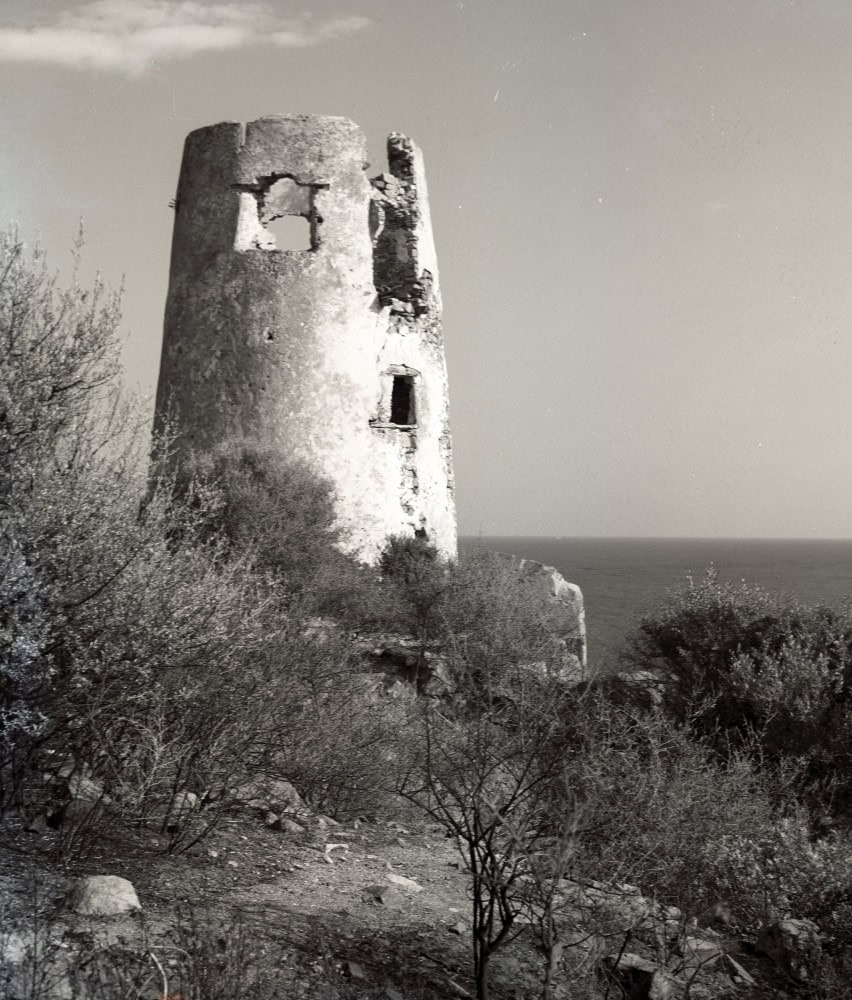
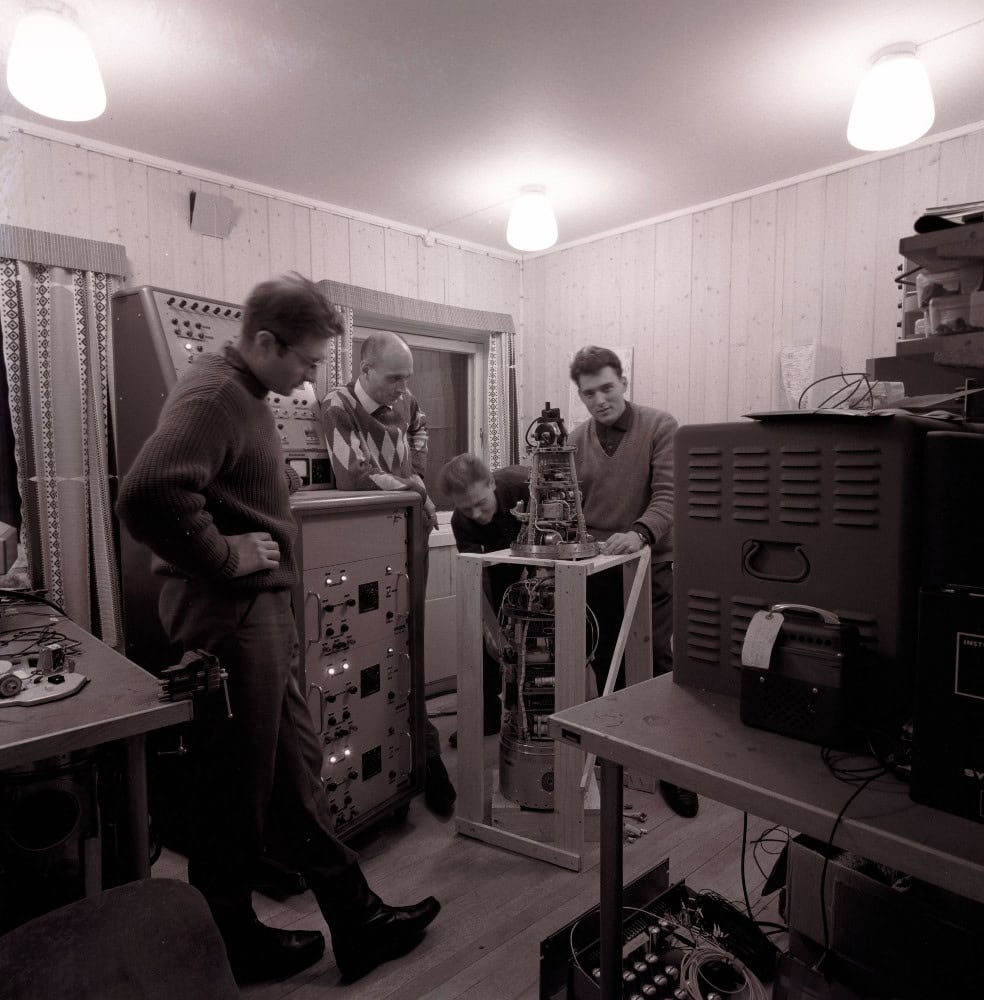
The perfect example is in the person of Reimar Lüst – Chairman of ESRO’s Scientific and Technical Committee and the future third Director General of ESA who, for the Max Planck Institut für Extraterrestrische Physik in Garching, provided the first sounding rocket payload for the ESRO programme. In his foreword to ESA BR-60, From small beginnings..., produced for the 25th anniversary of the first ESRO sounding rocket launch, Lüst remembers observing launches from ruined fortifications in Sardinia (pictured below), used by locals a shelter for cattle. Its author, Derek Eaton also concludes the brochure with some personal anecdotes from the programme, covering Sardinian cuisine and freezing conditions in Kiruna!
Eaton and Seibert together give us an idea of its legacy, in terms of both payloads and people. According to Eaton, the sounding rocket activities gave ESRO “a firm technological base upon which the present successful ESA scientific missions are based”. While for Seibert, and for the continent, it “played an important role in building up strong European-level space-research communities”.
Geographical heritage
The programme can also be explored through the physical locations of six ranges across Europe and Australia that were used by ESRO, including French and Greek islands, South Australia and the Arctic Circle!
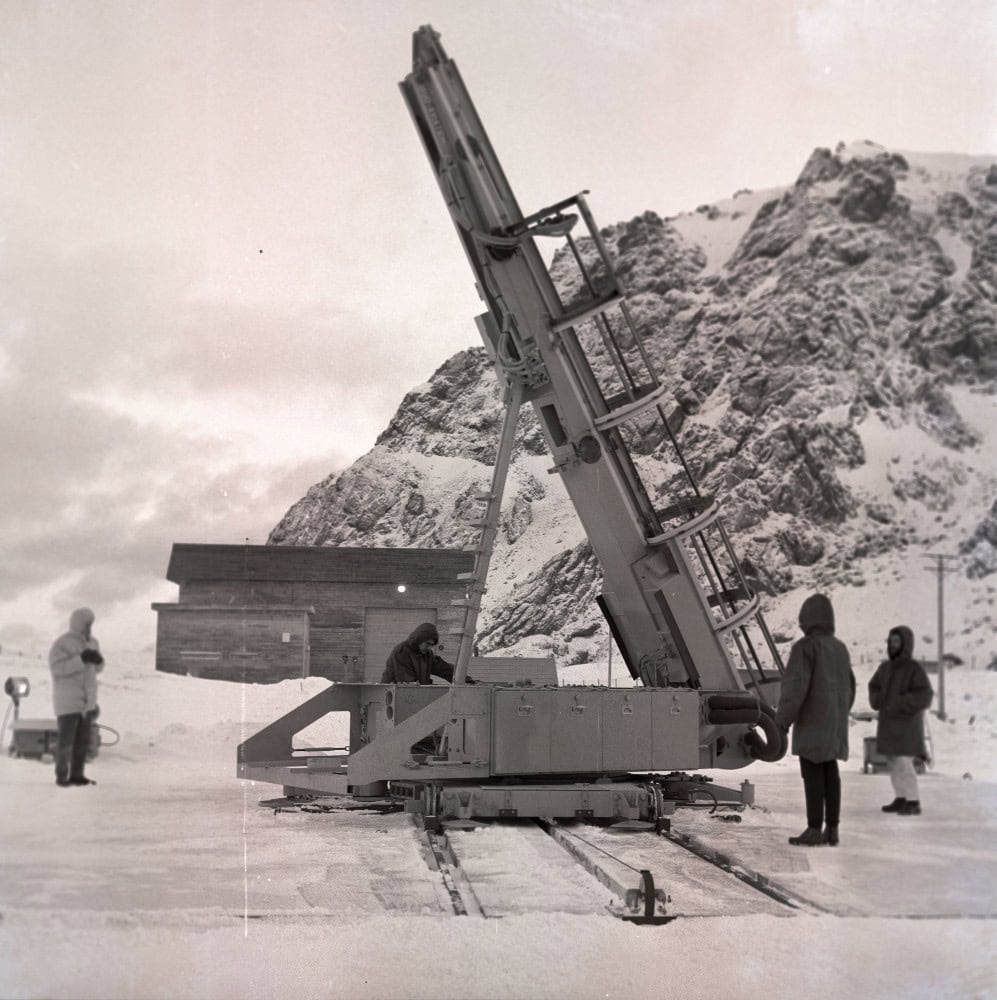
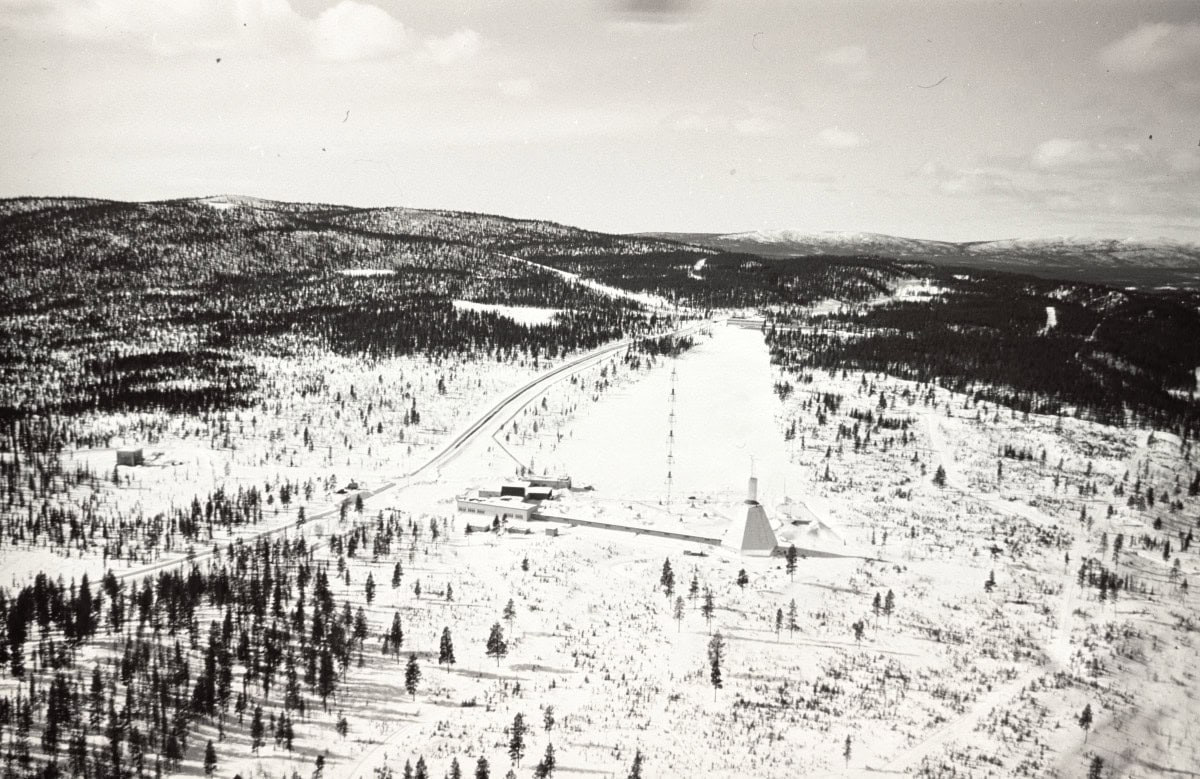
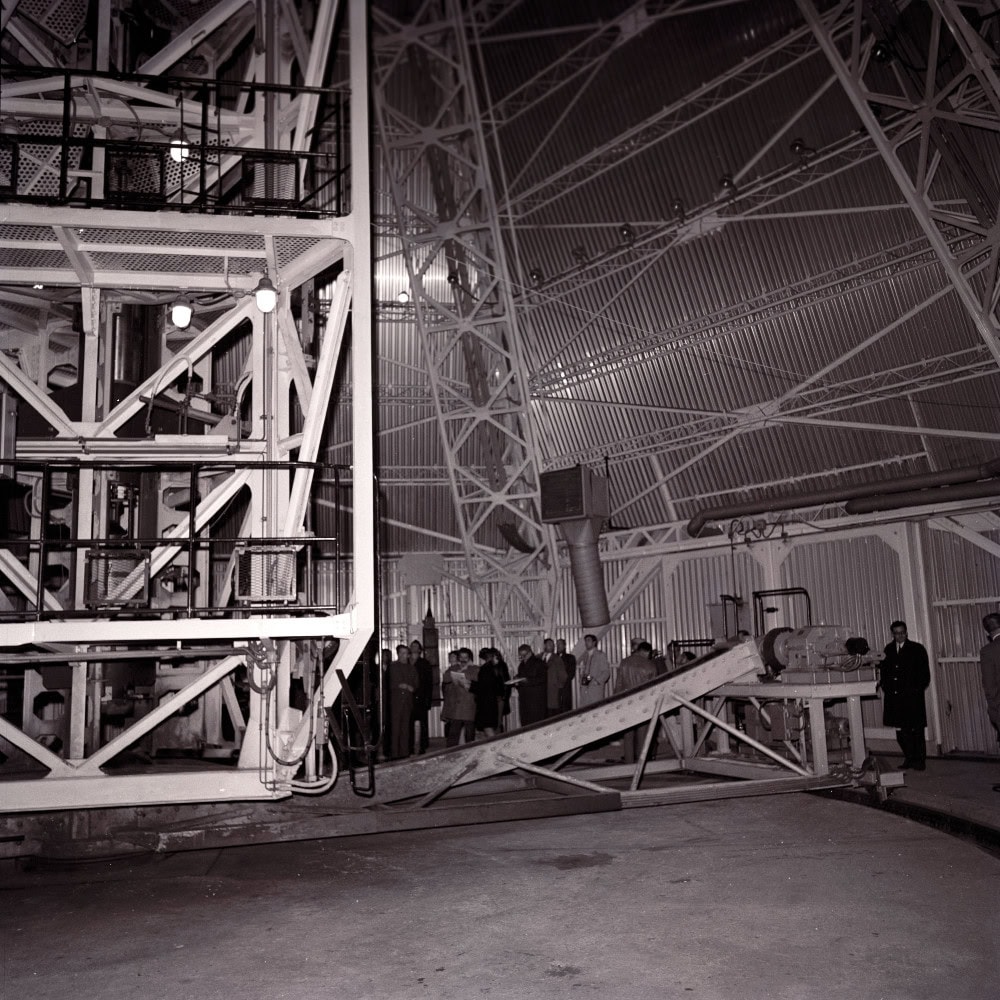
While the first launches took place at Italian or French bases, the plans drawn up by the preparatory commission COPERS for ESRO included a purpose-built launch range, Esrange, to be located in Kiruna, Sweden. After two years of construction, Esrange was inaugurated in 1966 as a facility for the study of polar aurora and the upper atmosphere. From that point on, the majority of sounding rockets were launched from either Esrange or Salto di Quirra, amounting to some 150 launches throughout the eight years of the programme. (Ownership of Esrange was transferred to Sweden in 1972 following the decision of the ESRO Council to stop the sounding rocket programme, and the establishment of the Esrange Special Project, whereby European countries could continue sounding rocket activities at high altitudes.)
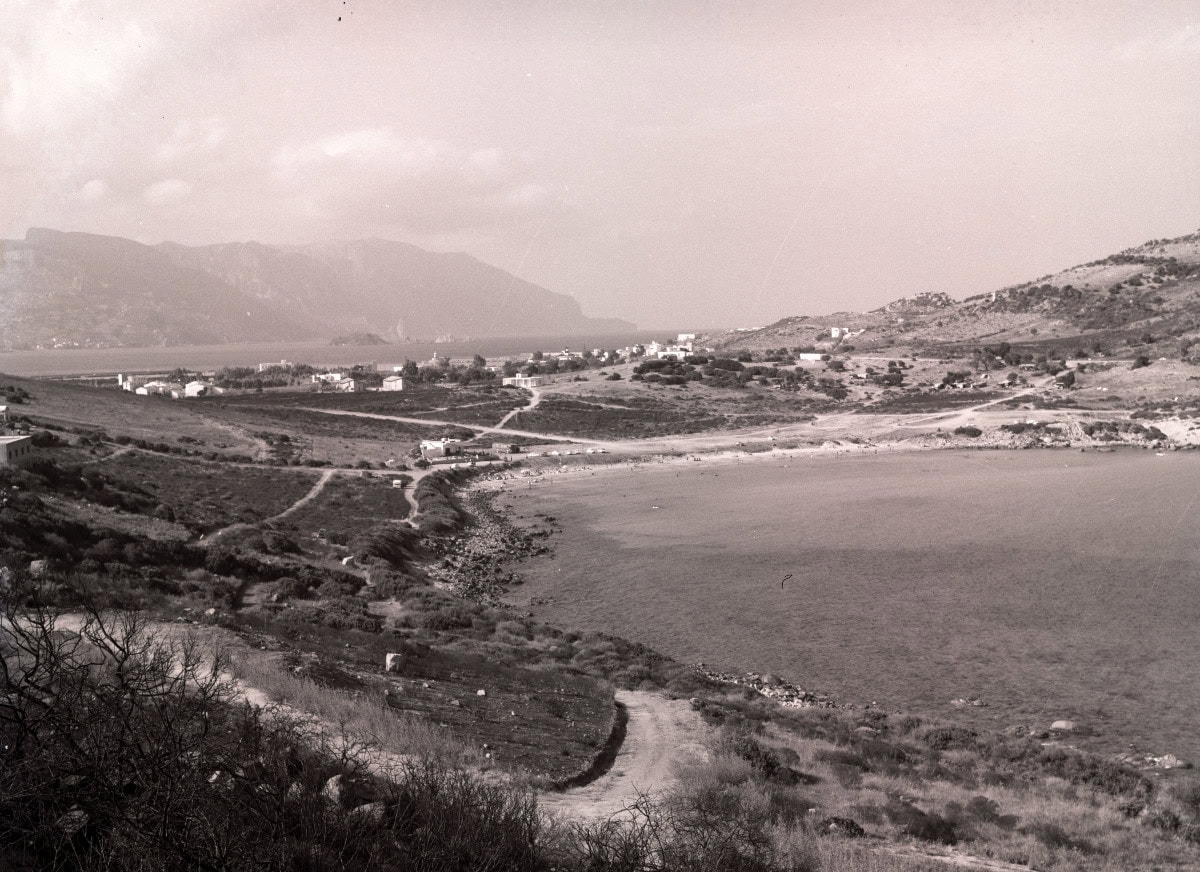
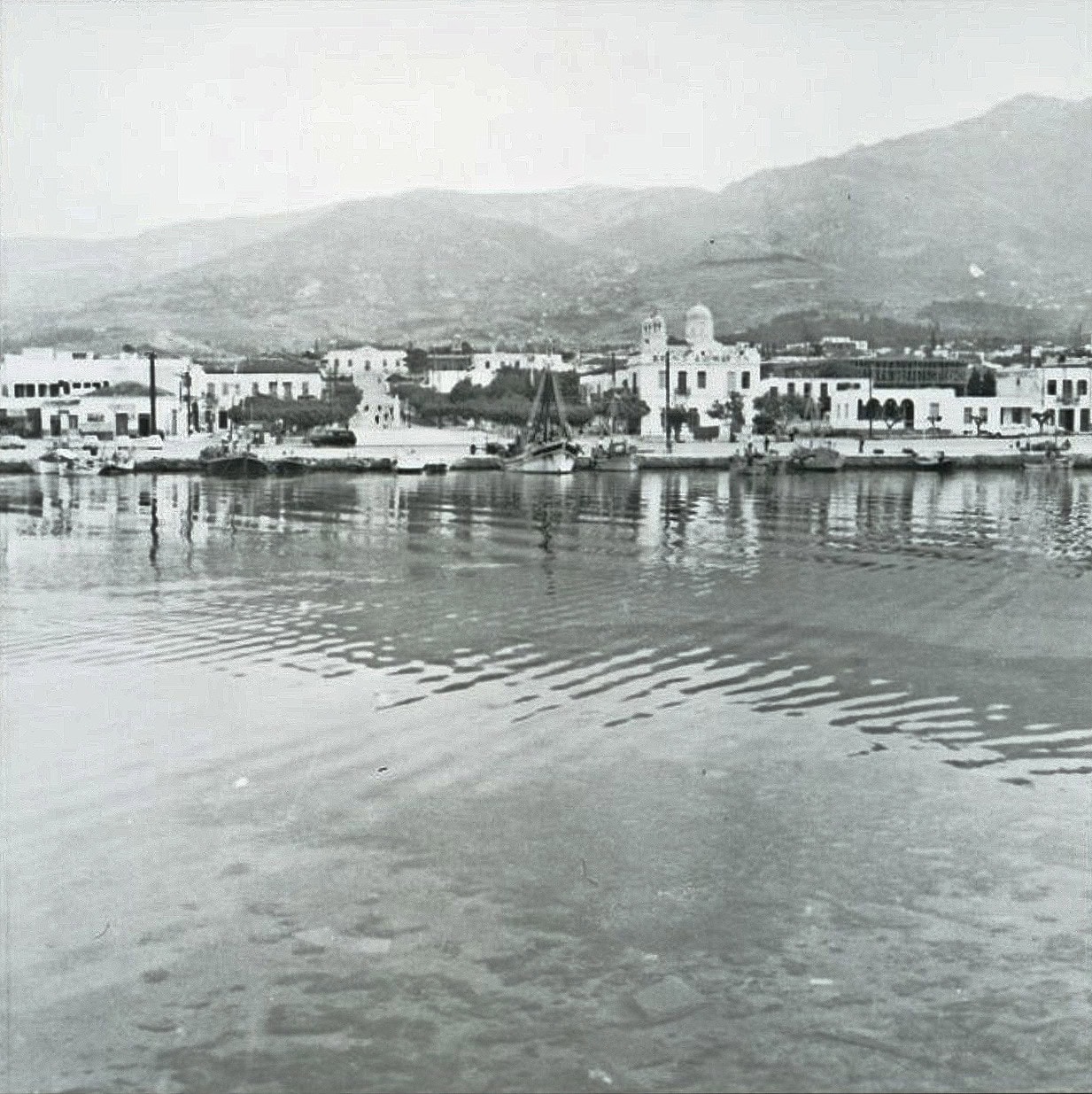
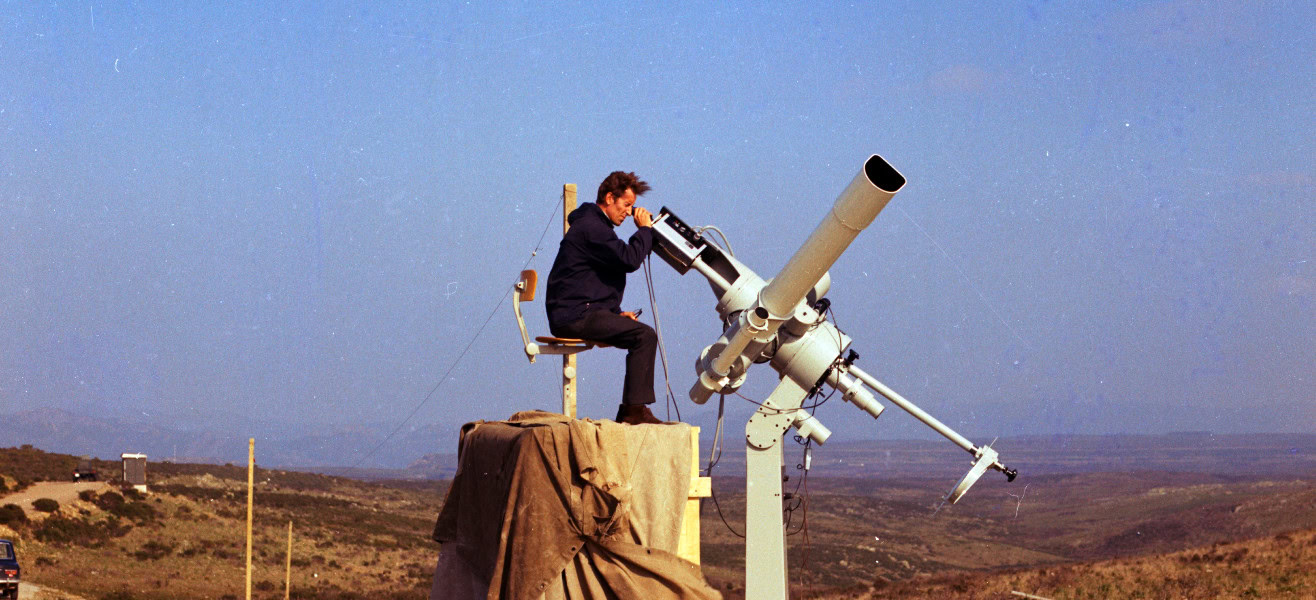
A large proportion of the launches from Salto di Quirra were with payloads which needed solar- or stellar-pointing capabilities, and also for mid-latitude atmospheric studies. Seventeen other launches were made from the Norwegian range in Andøya, which was used for large rockets such as Dragon that could not be launched from Esrange. Others were used for special campaigns, such as the nine launches of a 1966 solar eclipse campaign, from a temporary range established at Karystos, on the island of Evia (or Euboea) in Greece. The British range at Woomera in Australia was used seven times for launches of star-pointing rockets designed to observe the southern sky and the French range at Île du Levant just once, as seen above, for the second launch campaign in October 1964.
The slideshow below offers snapshots of these places, just in time for inclusion of some European space heritage in your summer holiday plans! In addition, and thanks to our colleagues in ESA’s video team, you can watch 15 minutes of history in a newly digitsed silent film documenting the Solar Eclipse Campaign and the firings from Karystos, using the link below.
Sounding rockets in Special Publications
To dig even deeper in the ESRO sounding rocket programme, we have just opened a digitised collection of eight ESRO Special Publications (and one ESA BR) that deal with the topic. You can browse it in the SHIP database, using the search term ‘sounding rocket’. (The Archives also has a collection of later ESA Special Publications related to national sounding rocket programmes, the Esrange Special Project and the Programme Advisory Committee set up in the framework of the Special Project.)
The ESRO publications document details of the programme and of its launches and experiments that we have not been able to cover in this short article. These include data on numbers and success rates of launches, numbers of experiments, countries and institutes of origin, fields of research and objectives, constituting an important primary source of information for anyone with a research interest in sounding rockets or early European collaboration in space.
They comprise a questionnaire used to submit proposals for sounding-rocket experiments to ESRO, a 1970 catalogue for comparing the characteristics and performance of the rockets and a publication made of up payload data sheets and launch schedules covering the period from 1968 to 1970.
An additional five documents are made up of grouped technical reports (covering the years 1964 to 1969) on the payloads. These describe the scientific aims and experiments of the mission, timescale and payload development, the launch campaign, and in-flight performance, along with recommendations for the future.
Conversely, ESA BR-60, From small beginnings... tells the story of the Sounding Rocket Programme through the eyes of one of its ‘rocketeers’, Derek Eaton. It was produced for the 25th anniversary of the programme, which included a rocketeer reunion at ESTEC, pictured below.
Further reading/viewing
ESA HSR-38, The History of Sounding Rockets and their Contribution to European Space Research, by Günther Seibert
ESRO film: Solar Eclipse Campaign in Greece